Operational readiness
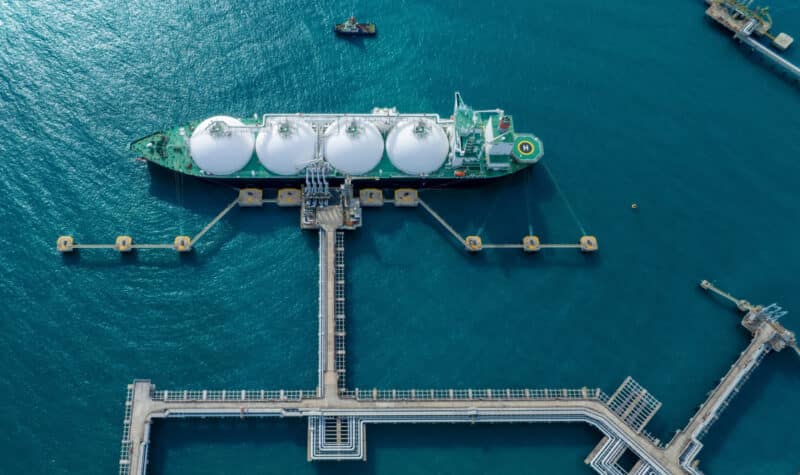
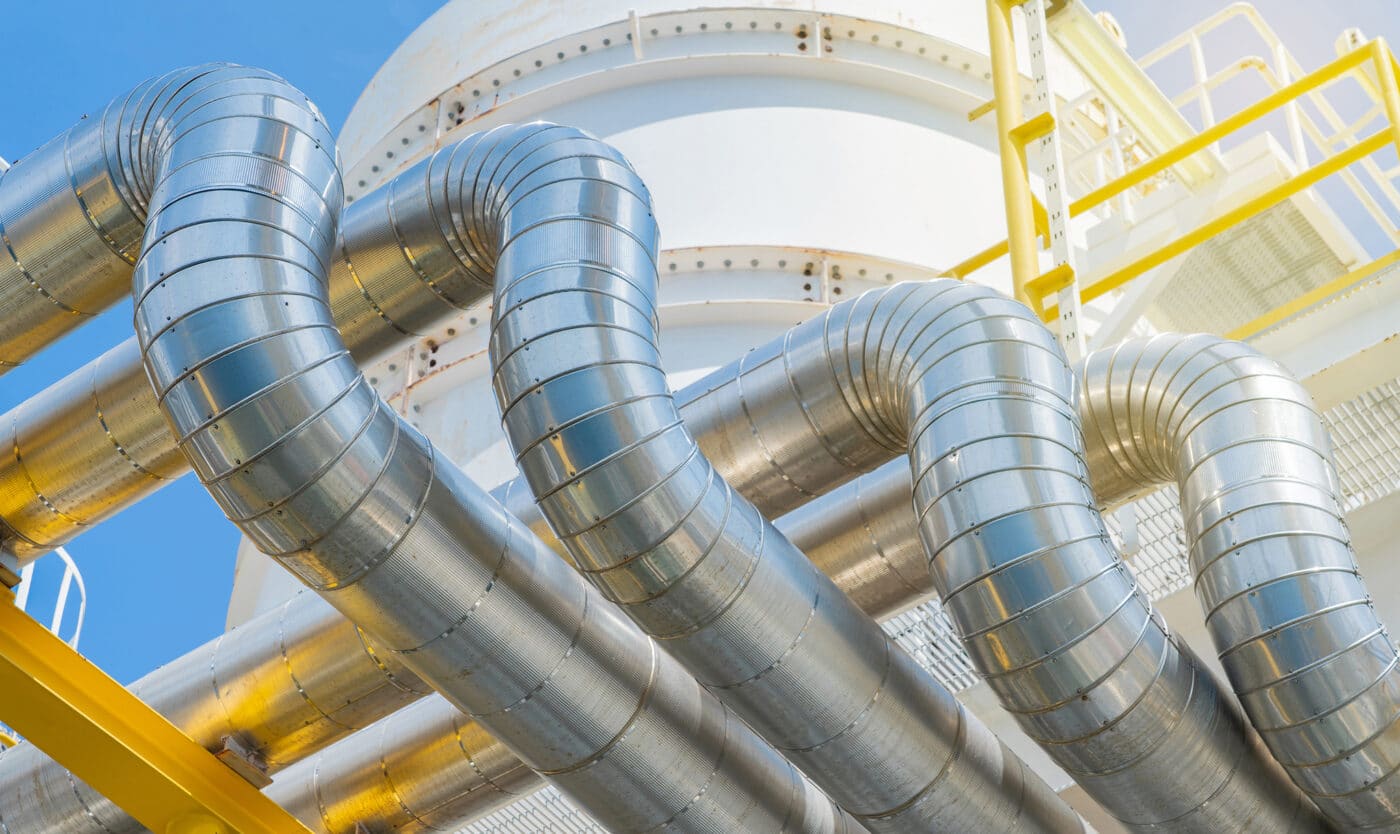
Riverlake has designed an Operational Readiness Assessment (ORA) tool especially for tank terminals to ensure that a newly constructed terminal is operated in an efficient and secure manner, compliant with all applicable rules and legislation. In this article we outline the top 10 elements of operational readiness for a tank terminal.
A reason why Riverlake is not just another engineering company is that we have first-hand knowledge of the operations of liquid bulk storage terminals. We have been operating tank terminals successfully over many years and have a deep understanding of the importance of well-managed operations. This is crucial for the efficiency (low costs) and safety (low risks) of your terminal. Therefore, when the construction of your terminal is up and running and you wish to commence operation, we are here to make sure that your operations are effective and secure. We do this using our proprietary Operational Readiness Assessment (ORA) tool. This ORA is structured around the following 10 key operational elements.
People management
Human resources are key to all operational processes in a tank terminal. While terminals are increasingly automated, staff performance will always determine the effectiveness and safety by which operations are executed. The implementing of proper personnel policy is thus key to operational readiness.
Maintenance management
One might think that a freshly built terminal does not require much maintenance, yet within a number of months components will start to work poorly in a maintenance-free environment. Preventive servicing is vital to ensure efficient and safe operations. At the same time, it also protects your asset’s value.
Safety and Occupational Health
In most countries, occupational safety and health is tightly regulated in industrial environments like tank terminals. Both the energy and shipping sectors also have developed a variety of international safety rules and guidelines which have to be observed. The Riverlake operational readiness assessment is conducted according to international standards.
Security
As Riverlake, we often operate in countries in which security takes a greater focus than in Western Europe. Under
such circumstances, we place a high premium on security, making it a distinct subject in the assessment of operational readiness.
Protecting the environment
Storage terminals store and process fuels and other bulk liquids and gases that are inherently harmful to the environment unless they are properly confined. Evaporation of volatile organic compounds (VOCs) from fuels stored in tanks is the main source of emissions from tank terminals unless they are contained through floating roofs or vapour recovery systems. Besides emissions in the air, soil and water pollution must equally be prevented.
Order fulfilment and stock keeping
The principal function of a tank terminal is the storage and processing of oil (or other liquid/gas) for the account of its owner. The owner issues instructions concerning the loading and unloading of ships, trucks, etc. which are to be carried out. In this process, stocks of both incoming and outgoing products need to be monitored and stock losses minimised and notified.
Product quality assurance
While in storage, the integrity of the goods in storage at the terminal will be guaranteed. The grade may not deteriorate while in storage, and where blending or other value-creating operations are carried out at the terminal, the grade of the end product must be certified.
Emergency preparedness
Accidents can (or even will) happen to anyone, including your storage terminal. Emergency preparedness is essential to minimise the effects of a small fire or product spill. Emergency Response Plans (ERP) must be put in place and drilled before a terminal can declare itself ready to operate.
Incident Investigation
Major accidents such as fires or spills are the upper part of the iceberg. Small-scale incidents and near misses are far more common. Drawing lessons from these incidents is crucial to preventing major accidents to occur. In the absence of incident investigation skills, an oil terminal is simply not fit for operation.
Operational processes
Truck loading, tanker unloading, drum filling, tank to tank transfers and in-line blending are only some of the operational processes that may be relevant at an oil terminal. Riverlake knows them all, and in our operational readiness assessment, we are attentive to each of your terminal’s operational processes.
© 2021 Riverlake. All rights reserved.