
Flows Change Fast. Terminal Constraints Don’t – Unless You Design For Flexibility
The Strait of Hormuz remains the central “flow-control valve” for global crude and clean products, and a declared ceasefire does not equate to logistics normalization.
In some regions around the world, terminals sit at the receiving end of global re-optimization: when supply tightens and voyage risk rises, traders push barrels toward the highest netback markets first. In practice, this means import programs can shift suddenly in origin, parcel size, and timing, requiring terminals to operate with greater agility than a traditional “steady-state storage” model.
Hence, the risk is not only “higher prices” but also higher variability: irregular cargo arrival patterns and more variable product quality by origin. The commercial winners over the next period will be the terminals that can reconfigure tankage quickly, execute segregation and blending to specification, and renegotiate service contracts. Storage and segregation become margin levers, not back-office details.
Riverlake: Cost-Effective & Flexible Adaptations for Our Clients
Riverlake’s differentiation lies in its ability to align shipping realities, terminal engineering, and commercial structures into a single execution plan. Riverlake charters thousands of ships annually and combines that market-facing capability with project development and engineering consulting focused on cost-effective storage solutions – supported by digital and commodity research data solutions.
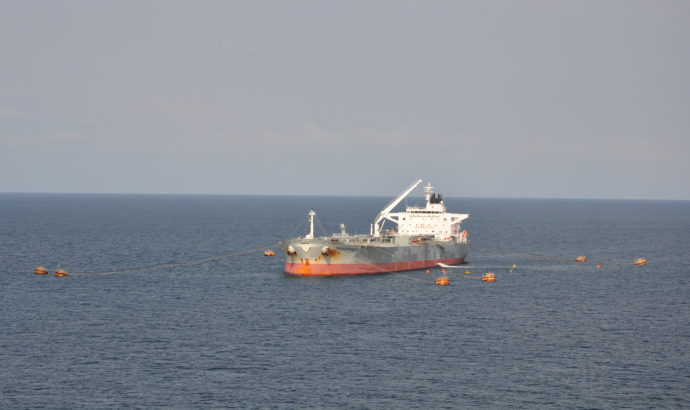
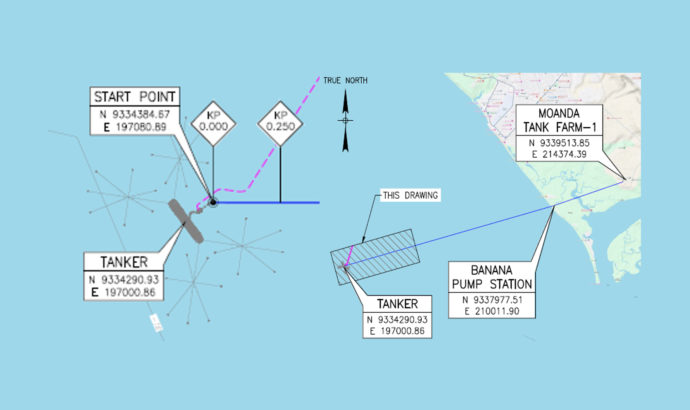
On the asset side, this covers storage and blending tank terminals, jetties, offshore CBM and SPM systems, and associated infrastructure. Riverlake’s terminal development expertise provides maximum flexibility solutions across oil, gas, and renewable products.
Practically, the “no-regrets” adaptation set Riverlake can deliver (without betting incorrectly on the final trade map) includes:
(i) rapid tank repurposing and segregation plans;
(ii) modular/temporary storage concepts to add buffer capacity;
(iii) berth-slot optimization;
(iv) blending/additive skid scoping;
(v) debottlenecking and optimizing terminal operations;
(vi) operating procedures and safety studies (HAZID/HAZOP); and
(vii) digital monitoring to support and improve Operations & Maintenance.
Riverlake’s end-to-end terminal development experience – from early feasibility through execution, as described in the Project Development Handbook – is the execution backbone for these changes.
In parallel, eFuelution (Riverlake’s green activities branding) emphasizes safe and efficient storage of clean fuels (e.g., green ammonia, e-methanol, SAF), with cost savings and flexibility – relevant for terminals that must keep today’s fuels flowing while preparing for future energy vectors.